Introduction
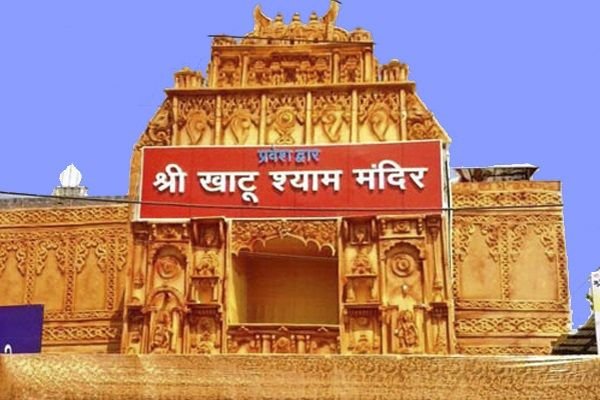
The Khatu Shyam Temple, located in Khatu, Ringas of the Shekhawati region of Rajasthan, stands as a centuries-old centre of faith shaped by history, royal patronage, and sustained devotion. Over time, the temple evolved from a modest local shrine into one of northern India’s most prominent pilgrimage sites. Its present form reflects multiple phases of reconstruction and preservation, each contributing to the enduring historical identity of Khatu as a sacred town.
Historical Background of Khatu Shyam Temple
Khatu Shyam Temple is situated in Khatu village of Sikar district, within Rajasthan’s culturally rich Shekhawati region. Shekhawati has historically been known for its Rajput lineage, prosperous merchant settlements, and long-standing devotional centres. Within this regional setting, Khatu gradually gained recognition as a sacred place, shaped by faith, continuity of worship, and collective belief.
The spiritual identity of Khatu is closely linked to the belief surrounding Barbarik, a revered figure from the Mahabharata tradition. According to accepted religious understanding, the divine boon associated with him led to his worship in Kaliyug as Shyam. This belief gave Khatu a distinct religious importance, allowing it to emerge as more than a local village shrine. Over time, the site became widely accepted as a place of divine presence, respected across not only the Shekhawati region but also extending far beyond to areas in Delhi, Haryana, Madhya Pradesh, Gujarat and Maharashtra. The growing base of devotees has now presence across all the states in India as well as other countries.
Historical tradition places the beginnings of temple worship at Khatu in the 11th century. The recognition of the site as sacred marked an important phase in regional religious history. From this period onward, Khatu began attracting devotees from nearby towns and villages, gradually establishing itself as a centre of regional worship. This early recognition laid the foundation for the temple’s long-standing role in Rajasthan’s devotional landscape and set the stage for its later physical development.
Origins and Early Development of the Temple
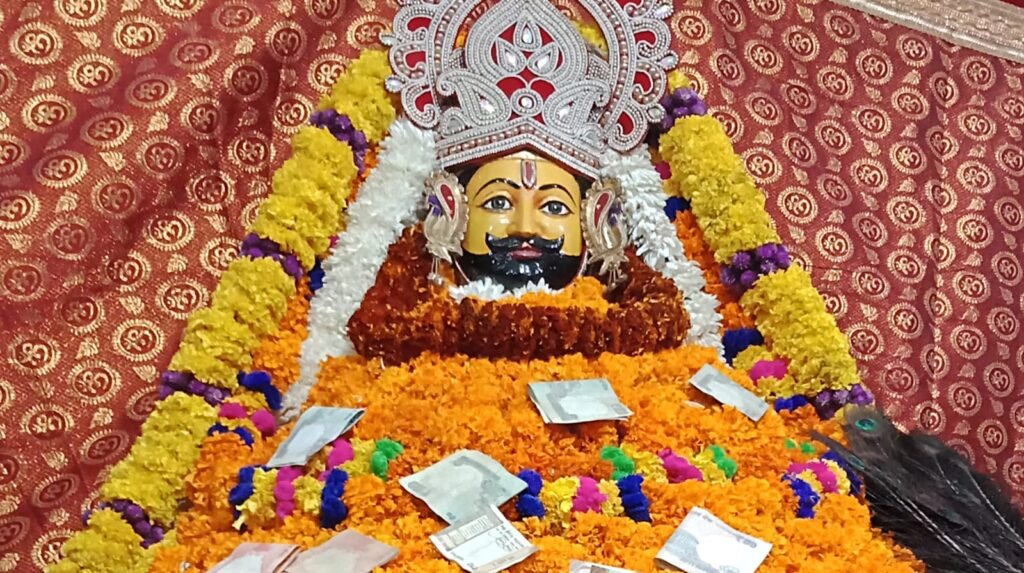
The early development of the temple began with a simple shrine established after the sacred discovery of the head (Sheesh) at Khatu in 1027 CE. This initial shrine was modest and reflected the devotional practices of the time, where faith and regular worship were central. Local residents treated the site with reverence, gathering there for prayer and remembrance.
Local communities and priestly families played a key role in sustaining the shrine during its formative years. They took responsibility for daily worship, upkeep, and safeguarding the sacred space. Ritual knowledge and practices were passed down orally, ensuring continuity and stability. This community-led care helped maintain the shrine’s sanctity and allowed worship to continue uninterrupted over generations.
As devotion to Khatu Shyam Ji spread across the Shekhawati region, the number of visitors increased steadily. This growing footfall created the need for a more organised and permanent structure. Support from local rulers, merchants, and devotees contributed to the gradual expansion of the shrine into a formal temple.
The original construction is traditionally credited to Roop Singh Chauhan and his wife, Smt. Narmada Kanwar. A major phase of development occurred later in Samvat 1777 (1720 CE), when Diwan Abhaisingh renovated the temple under royal patronage. During this renovation, the sanctum was formalised and the temple assumed a more defined structure, marking a significant step in its historical evolution.
Royal Patronage and Temple Support
Royal patronage played a vital role in ensuring the continuity of the Khatu Shyam Temple. Rulers and noble families of the Shekhawati region extended consistent support to the temple through donations and administrative protection. Land grants and financial offerings helped sustain daily worship, festivals, and temple maintenance. Merchant families also contributed generously, reflecting their deep devotional ties. This collective patronage provided stability during periods of political change and ensured uninterrupted religious activity. The support of regional rulers strengthened the temple’s standing and allowed it to flourish as a respected centre of worship across Rajasthan.
Temple History Through Medieval to Colonial Periods
The medieval phase of the Khatu Shyam Temple unfolded during a time of political change across Rajasthan. While detailed court records do not mention Khatu prominently, local tradition suggests that the temple remained an active place of worship. Stories passed down by priests and devotees speak of challenges during the Mughal period, particularly during Aurangzeb’s reign. One such belief relates to attempted damage near the Gaurishankar shrine, which devotees regard as a sign of divine protection. These accounts are preserved as temple lore and hold cultural value, though they are not fully supported by contemporary Mughal records.
Despite uncertainty in documentation, what stands out in the history of Khatu Shyam Temple is continuity. Worship is believed to have continued without long interruption, supported by local communities and regional rulers. The faith of devotees helped the temple endure periods of political instability that affected many parts of medieval Rajasthan.
During British rule, the temple experienced relative stability. Colonial administration largely avoided interference in religious affairs, allowing traditional worship and annual gatherings to continue. The Phalgun fair remained an important event, drawing pilgrims in large numbers. Local rulers and Marwari merchant families supported temple upkeep and pilgrim facilities. British-era regional records describe Khatu as a peaceful and established religious centre, reflecting a period of continuity rather than decline.
Post-Independence Era and Preservation of Heritage
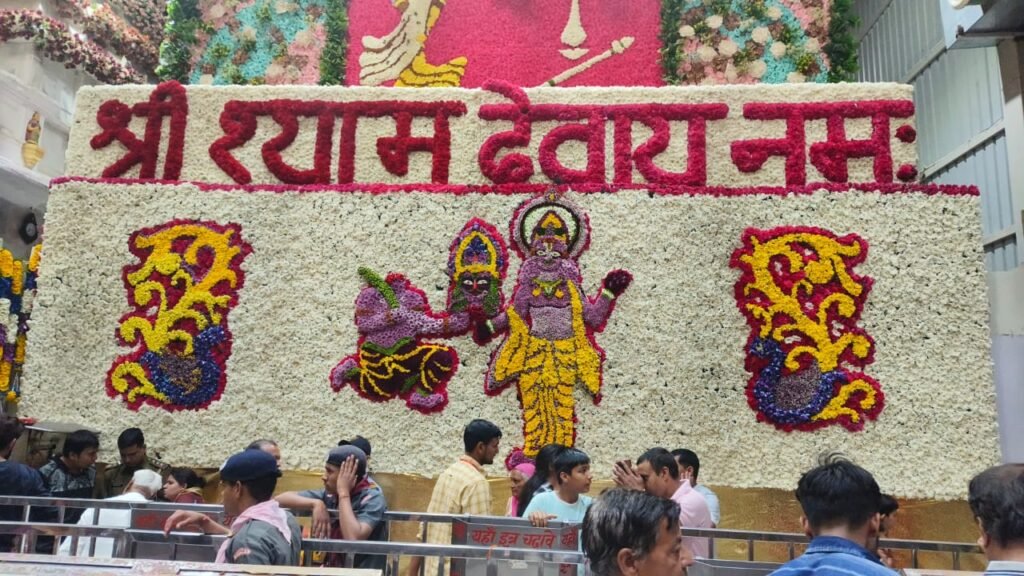
After India’s independence in 1947, the administration of the Khatu Shyam Temple entered a new phase. Management gradually moved away from princely oversight to structured trust-based systems. These trusts were formed to ensure transparent administration, regular worship, and smooth handling of the growing number of devotees visiting Khatu each year.
In the post-independence period, temple management focused strongly on preservation and continuity. Care was taken to maintain the temple’s historical character while addressing modern requirements. Regular repairs, protection of the sanctum, and upkeep of sacred spaces were prioritised to safeguard the temple’s centuries-old heritage. At the same time, facilities such as pathways, lighting, and basic pilgrim amenities were developed to support large gatherings during festivals and fairs.
Another important aspect of this era has been balancing tradition with change. Ancient customs, devotional practices, and regional cultural expressions continue alongside modern systems of security, crowd management, and information sharing. Temple trusts oversee daily aartis, seasonal arrangements, and major events while ensuring that traditional observances remain untouched.
As a result, the temple’s recognition has grown far beyond the Shekhawati region. Pilgrims from across India now visit Khatu regularly, strengthening its national presence. Even with this expansion, the temple remains firmly rooted in its past. The history of Khatu Shyam Temple continues to guide its present, reflecting a careful blend of preservation, devotion, and responsible management in independent India.
Conclusion: A Temple Rooted in History and Faith
The Khatu Shyam Temple stands today as a powerful symbol of continuity, shaped by centuries of belief, care, and collective devotion. From its early recognition as a sacred site to phases of royal patronage, social change, and modern administration, the temple’s journey reflects resilience and unwavering faith. Each historical period contributed to preserving its spiritual essence while allowing it to grow as a major centre of worship.
What defines the history of Khatu Shyam Temple is not only its age, but the uninterrupted flow of devotion across generations. Local communities, priestly families, rulers, and later temple trusts ensured that worship continued with dignity and discipline. Even as facilities expanded and pilgrim numbers increased, the temple remained deeply rooted in its original purpose—offering faith, reassurance, and spiritual connection.
Today, the temple’s legacy continues through responsible preservation and modern access to information. Platforms like the DivyaKripa app and khatumela.com help devotees stay informed about temple history, events, and seasonal updates. While this article focuses on historical evolution, readers can explore separate detailed blogs on legends, rituals, festivals, and devotional practices. Together, they offer a complete understanding of a temple where history and faith continue to walk side by side.