Introduction
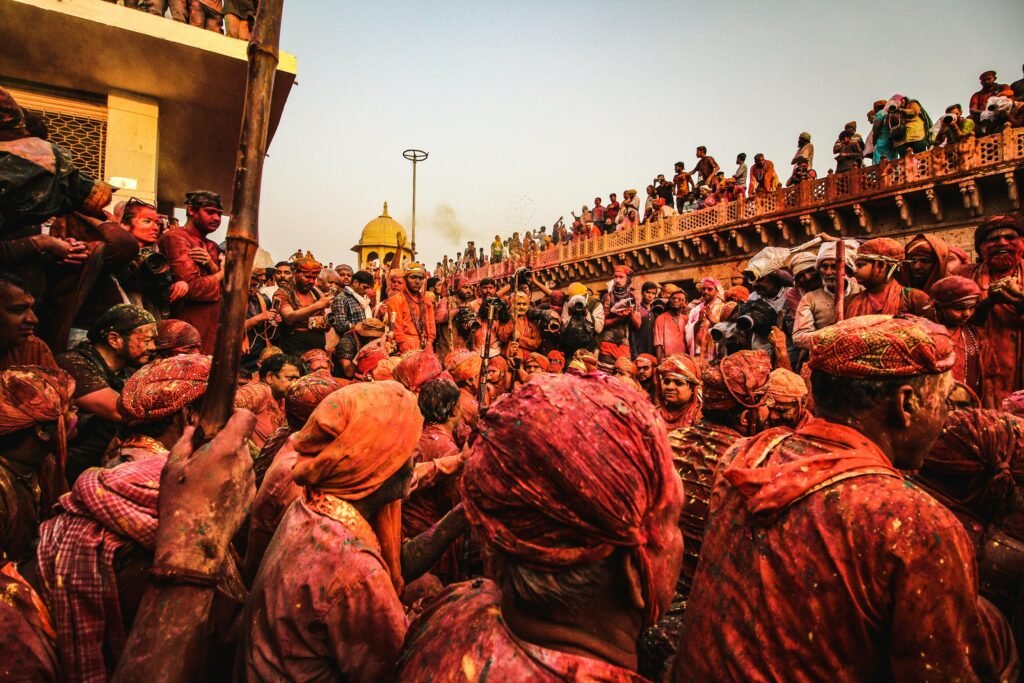
Attending Khatu Shyam mela is a deeply spiritual experience, but the joy of devotion can sometimes be overshadowed by long queues, heavy crowds, travel confusion, and poor planning. Whether it is your first visit or a yearly tradition, a mela—especially at popular pilgrimage sites like Khatu Shyamji—requires thoughtful preparation. With thousands of devotees arriving from different parts of the country, even small planning mistakes can lead to unnecessary stress. This guide is designed to help you attend a mela with minimum hassles, so you can focus on devotion, darshan, and inner peace rather than logistics and discomfort.
Understand the Event & Updated Aarti–Darshan Schedule
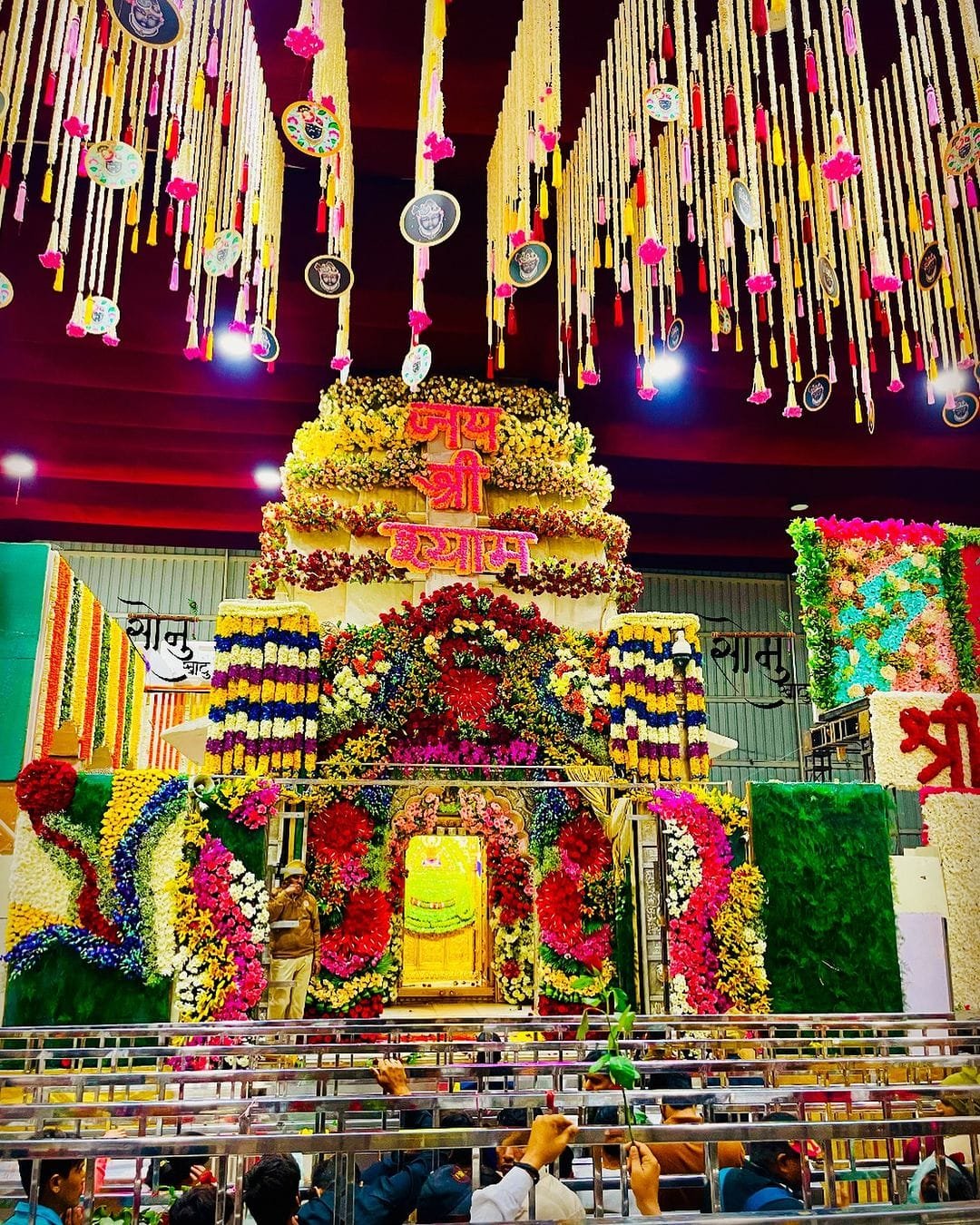
The mela at Khatu Shyam Mandir revolves around the temple’s daily rituals, which continue with heightened devotion during special occasions. At its core, the mela invites devotees to align their visit with Shyam Baba’s worship schedule and participate mindfully in darshan and aarti. Planning around these rituals brings calm and purpose to the experience.
The temple follows a structured cycle of five daily aartis that guide the flow of the day. These include Mangala Aarti in the early morning, Shringar Aarti, Bhog Aarti in the afternoon, Sandhya Aarti in the evening, and Shayan Aarti at night. Devotees often plan their visit around these moments of worship. It is important to note that aarti timings are not fixed year-round and may change with seasons or special days. During mela periods, darshan patterns, queue movement, and aarti access may also differ from regular visits to manage the increased footfall.
Staying informed about updated timings is essential to attend mela with minimum hassle. In winter months, the Mangala Aarti now begins at 5:30 am instead of the earlier summer timing. Shringar Aarti is held around 8:00 am, Bhog Aarti at 12:30 pm, Sandhya Aarti at 6:30 pm, and Shayan Aarti at 9:00 pm. On mela days, devotees especially value the Shringar and Sandhya aartis, as Baba’s adornment is changed and darshan is offered in a fresh, graceful form.
Checking current schedules shared by the temple committee helps avoid unnecessary waiting and confusion. With the right timing, devotees can maintain calm in queues, choose spiritually comfortable slots, and keep the focus on devotion rather than logistics.
Best Time Slots for Peaceful Darshan
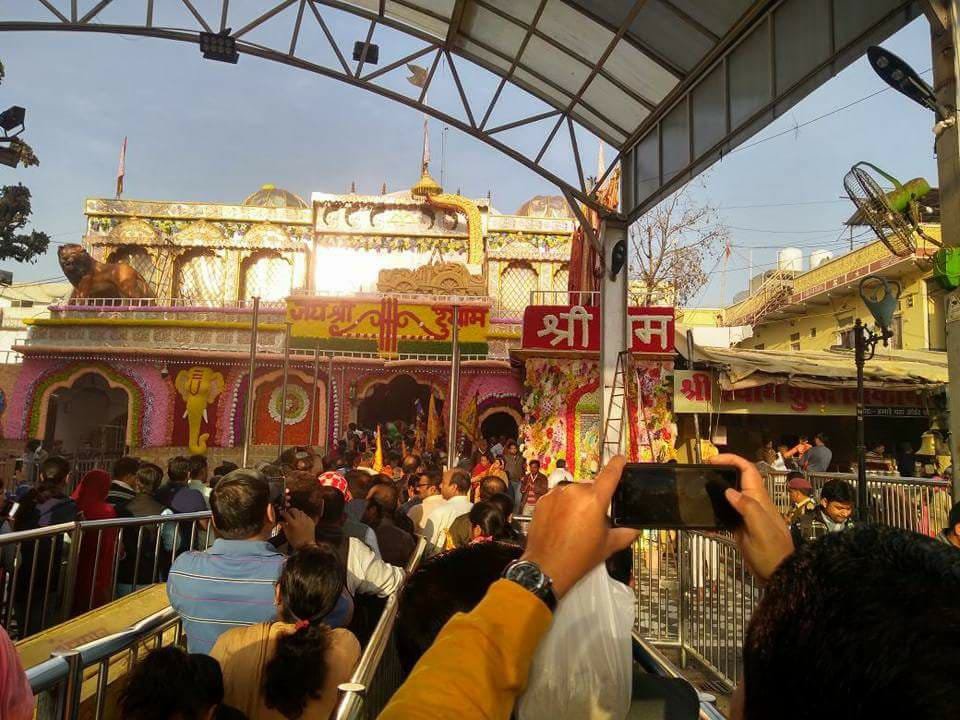
Choosing the right time for darshan at Khatu Shyam Mandir can greatly shape the inner experience of the mela. While every moment holds grace, certain time slots naturally offer a calmer setting that allows devotees to connect more deeply with prayer. Planning with awareness helps devotees attend mela with minimum hassle while keeping the focus on devotion.
Early morning hours are often preferred by many devotees. The atmosphere during this time feels pure and still, allowing unhurried darshan and quiet reflection. Beginning the day in Baba’s presence brings mental clarity and spiritual comfort, especially during mela days when energy builds as the day progresses.
Late-night or off-peak periods also offer a peaceful darshan experience. After the evening rush settles, devotees may find shorter waiting times and a calmer temple environment. These hours are suited for those seeking silent prayer and steady remembrance rather than collective activity.
It is helpful to understand that crowd presence increases around major aartis, especially Shringar and Sandhya Aarti. These moments draw large numbers of devotees due to their ritual importance. Visiting outside these peak periods can reduce waiting and allow smoother movement. With mindful timing, devotees can experience darshan with patience, balance, and uninterrupted devotion.
Plan Travel in Advance
Attending the mela becomes smoother when travel is planned with patience and foresight. Reaching Khatu Shyam Mandir during mela days involves higher footfall, so advance planning helps devotees attend mela with minimum hassle and remain focused on devotion.
Train and bus services are the most commonly used options. Pilgrims arriving by train usually plan their journey to nearby railway stations and continue by road. Buses and shared vehicles operate frequently during mela periods, but seats can fill quickly. Devotees traveling from distant regions may prefer flights to the nearest airport, followed by a road journey. Choosing reliable transport and understanding connections in advance reduces uncertainty.
Booking tickets early is strongly recommended. During mela days, last-minute arrangements often lead to delays and long waits. Securing travel tickets ahead of time ensures a calmer journey and allows devotees to plan arrival according to ritual timings.
It is also helpful to plan departure times thoughtfully. Reaching the temple town before early morning aarti gives devotees time to settle, rest, and prepare mentally. Large pilgrimages, including events like the Kumbh Mela, emphasize early planning for the same reason. When travel is organized in advance, the journey itself feels lighter, disciplined, and aligned with prayer rather than pressure. For detailed guidance on how to reach Khatu Shyam Ji, please refer to our dedicated blog.
Book Accommodation Early (Where to stay when visiting during mela)
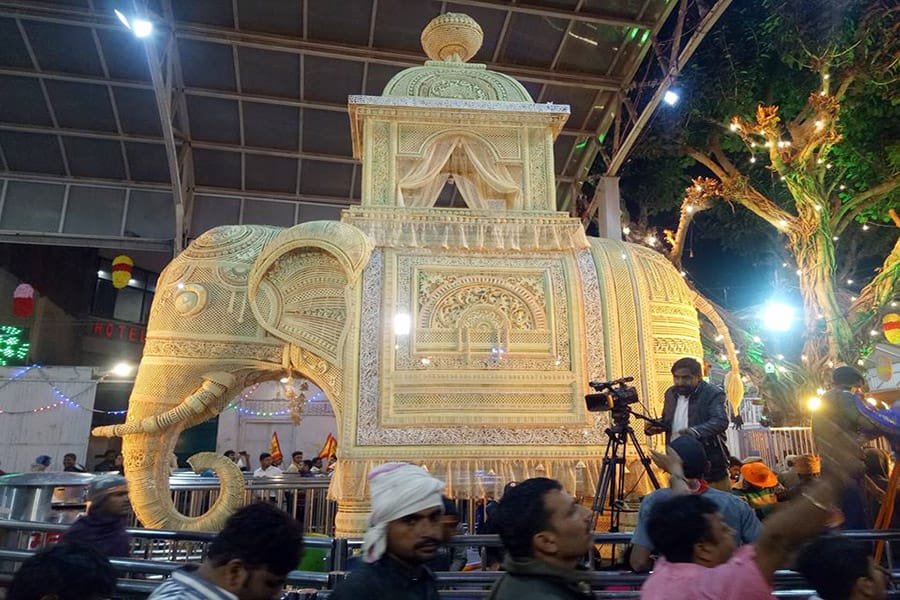
Booking accommodation in advance plays an important role in helping devotees attend mela with minimum hassle. During mela days, rooms near Khatu Shyam Mandir fill quickly, as a large number of pilgrims arrive for darshan and rituals. Early planning brings both comfort and peace of mind.
Khatu town offers a range of stay options, including dharamshalas, guest houses, and small hotels. Dharamshalas are often preferred by devotees for their simplicity and devotional atmosphere. Budget hotels and lodges provide basic comfort for families and elderly pilgrims. Choosing a stay close to the temple helps reduce long walks after darshan, especially late at night or during early morning hours.
Early booking also helps avoid peak-season price increases. During major fairs and festivals, demand rises sharply, and last-minute stays may be limited or costly. Having accommodation secured allows devotees to rest properly, maintain energy, and remain calm during darshan. When rest and convenience are taken care of, the mela experience becomes smoother and more focused on devotion rather than fatigue.
What to Eat During Falgun Mela at Khatu Shyam Ji
During the Falgun Mela, Khatu village takes on a deeply devotional atmosphere where food is simple, sattvik, and closely connected with seva and tradition. The town offers basic vegetarian meals, tea stalls, and essential refreshments to support the large number of devotees arriving for Baba Shyam’s darshan. As the focus during the mela remains on devotion and discipline, food choices naturally stay light and nourishing.
Prasad holds special spiritual importance during this time. Popular offerings such as moong dal halwa, churma laddoos, and dry fruits are widely distributed and are considered highly auspicious. Many devotees prefer to consume prasad only after completing darshan, believing it to be Baba Shyam’s direct blessing. The taste of prasad, prepared with devotion, adds to the overall spiritual experience of the mela.
Along the temple road and nearby areas, authorised food vendors serve freshly prepared vegetarian snacks that reflect local Rajasthani flavours. Items like poha, kachori, mirchi vada, and jalebi are commonly enjoyed by pilgrims looking for quick energy between long queues and walking routes. These foods are simple, filling, and suited for the physically demanding nature of the mela.
One of the most significant aspects of eating during Falgun Mela is langar seva. Hundreds of voluntary groups organise free community meals throughout the mela period. These langars serve simple dishes such as khichdi, poori-sabzi, kadhi-chawal, and halwa, welcoming every devotee without distinction. Eating at a langar is seen not just as a meal, but as an act of shared devotion.
It is important to note that outside food is usually restricted near the temple premises during peak mela days. Devotees are advised to eat only from authorised vendors or langar stalls to avoid health issues. Light, sattvik meals help pilgrims stay energetic, focused, and spiritually connected throughout the Falgun Mela journey
What to Carry and What to Avoid Bringing
Packing thoughtfully helps devotees attend mela with minimum hassle and stay comfortable throughout long hours of darshan. Carrying only what is necessary keeps the mind relaxed and allows full attention on prayer and devotion.
Essentials should always come first. A water bottle helps maintain energy, especially during waiting hours. Light food or simple snacks can be useful between darshan and aarti. Devotees who require personal medicines should keep them easily accessible. Comfortable footwear is important, as walking and standing are often part of the mela experience. Weather-appropriate clothing also helps, with warm layers in winter and light, breathable clothes in summer. A portable phone charger can be helpful during long days.
At the same time, it is best to avoid carrying unnecessary items. Heavy bags, extra belongings, or valuables can slow security checks and increase discomfort. Keeping luggage light makes movement easier and reduces stress in crowded areas. Many pilgrimage guides recommend packing only what can be comfortably carried for several hours.
When preparation is simple and practical, the journey becomes smoother. Traveling light allows devotees to move freely, stay calm, and remain focused on devotion rather than belongings.
Health, Safety, and Personal Comfort During the Mela
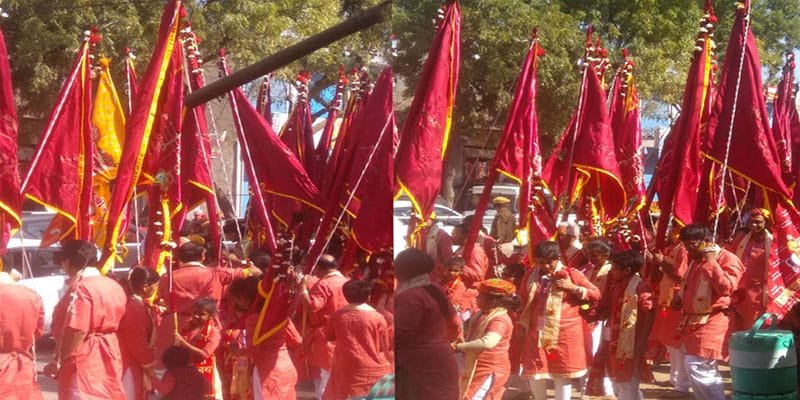
Taking care of health and safety during the mela is an important part of devotion. Looking after the body allows the mind to remain calm and focused on prayer. Many devotees believe that caring for oneself and others is also a form of seva, especially during large gatherings at Khatu Shyam Mandir.
Staying hydrated is essential, as long waiting hours can cause fatigue. Drinking water regularly and eating light food helps maintain energy. Taking short breaks when needed is equally important, especially for elderly devotees and children. Moving at a steady pace and resting when required prevents exhaustion and discomfort.
Devotees are also advised to remain alert about personal safety. Valuables should be kept secured, and carrying a small basic first-aid kit can be helpful. It is wise to note the location of medical help desks and security posts in case assistance is needed. Offering help to fellow pilgrims, guiding elders, or supporting children reflects compassion and shared responsibility.
When health and safety are given due attention, devotees can attend mela with minimum hassle. Such mindful care ensures the experience remains peaceful, respectful, and centered on devotion.
Stay Connected Through Digital Platforms for a Smooth Mela Experience (Navigation, Announcements & Seasonal Changes)
Staying informed through trusted sources helps devotees attend mela with minimum hassle and remain focused on devotion rather than uncertainty. During mela days, arrangements at Khatu Shyam Mandir can change based on crowd flow, rituals, or seasonal needs. Using the right information platforms makes a meaningful difference.
The Divya Kripa App serves as a helpful companion for devotees. It shares timely updates related to darshan schedules, aarti timing changes, and important temple advisories. During festivals or winter and summer transitions, aarti timings may be revised. Checking updates on the app before starting your journey helps align your visit with current arrangements and avoids confusion. The app also provides real-time alerts on movement and security.
Similarly, Khatumela.com is widely referred to for mela-related announcements. Devotees often use it to stay informed about crowd-related instructions, special rituals, and changes announced by temple authorities. Referring to such platforms keeps expectations clear and supports calm planning.
Navigation tools also play an important role during large gatherings. Using maps or GPS helps locate mela zones, entry and exit routes, medical help desks, and resting areas. Saving important temple and emergency contact numbers on your phone adds an extra layer of comfort.
Listening carefully to temple announcements and local administration guidance is equally important. Instructions may change during the day based on rituals or crowd density. When devotees stay connected, follow updates, and respect directions, the mela experience becomes smoother, disciplined, and centered on devotion rather than delay.
Conclusion
A mela is not just a gathering—it is a sacred journey of faith, patience, and surrender. While crowds and challenges are inevitable, smart planning can make your experience smoother and more fulfilling. By understanding temple timings, avoiding peak hours, arranging travel and stay in advance, and staying mindful of safety and comfort, you can truly immerse yourself in the spiritual essence of the mela. When preparation meets devotion, the journey becomes as rewarding as the darshan itself. May your visit be peaceful, well-managed, and filled with blessings.