Introduction: Beginning the Journey to Shyam Baba
For devotees, the journey to Khatu Shyam Mandir is more than a physical trip. It is a spiritual calling that begins with faith and inner resolve. Many believe that one can reach Khatu Shyam only when Baba’s grace allows it. The decision to travel is often guided by devotion, gratitude, or a heartfelt prayer seeking direction and strength.
The path to Shyam Dham teaches patience and surrender. Whether the journey is short or long, every step holds meaning for the devotee. Travel challenges, waiting, and simple efforts are accepted as part of worship. Along the way, prayers, silent remembrance, and trust in Shyam Baba turn the journey itself into a sacred experience. Reaching the temple is important, but the spiritual connection starts much earlier, as faith gently leads the devotee toward Shyam Dham.
Where Is Khatu Shyam Ji Located?
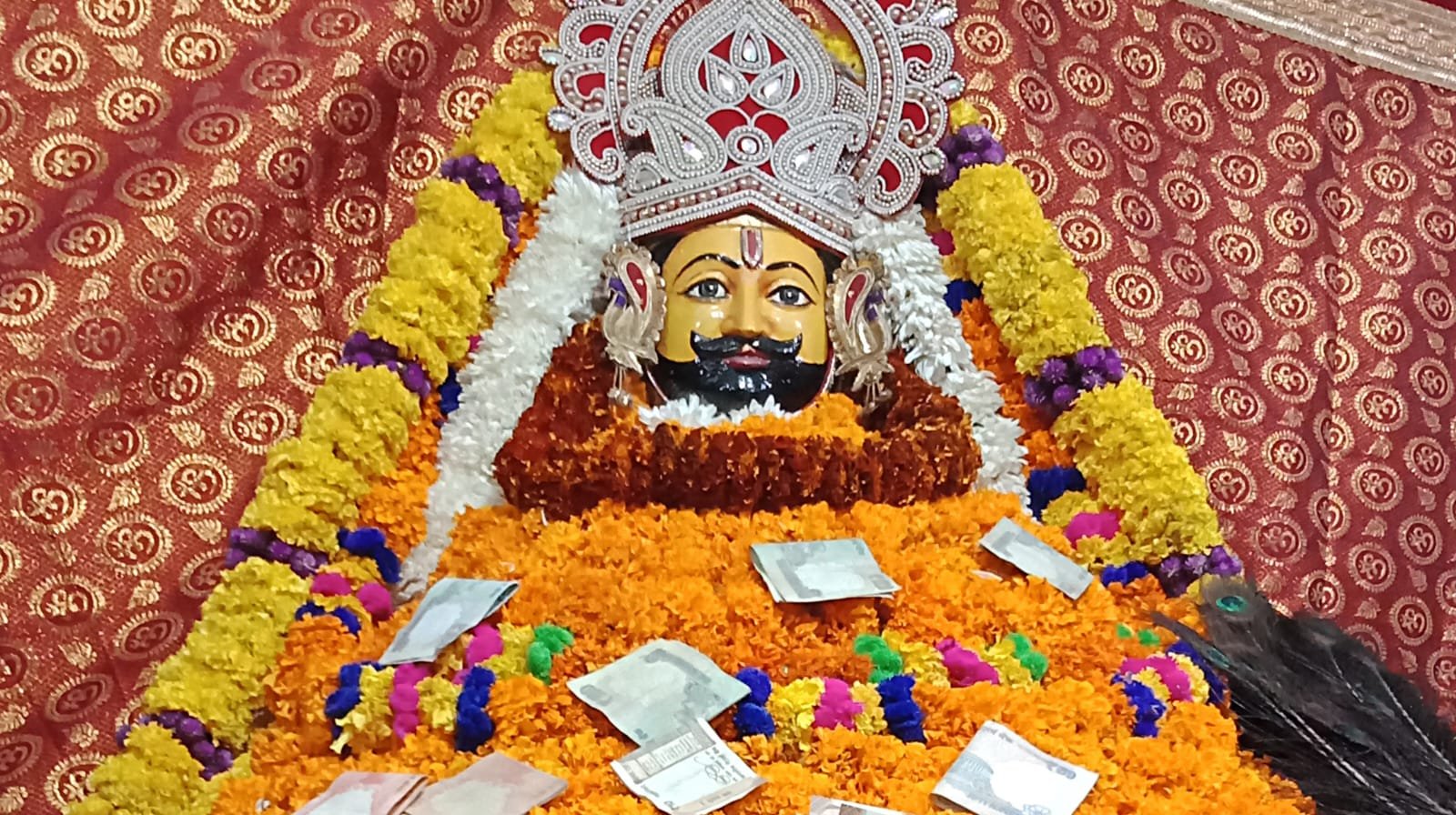
Khatu Shyam Mandir is situated in the quiet town of Khatu, nestled in the Sikar district of Rajasthan. The town holds deep religious importance and remains closely connected with the faith of Shyam Baba devotees. Surrounded by rural landscapes, Khatu offers a calm setting that prepares the mind for prayer even before reaching the temple.
Khatu Dham lies close to Reengus, one of the larger towns in the region. Reengus also serves as a major railway point for pilgrims traveling from different parts of the country. The distance between Reengus and Khatu is short, making it convenient for devotees to continue their journey by road.
Reaching Khatu Shyam Ji from Reengus & by Road (The Sacred Final Stretch)

For many devotees, the journey truly begins from Reengus. This town is widely regarded as a sacred starting point, from where the final path toward Khatu Shyam Mandir unfolds.
The road journey from Reengus to Khatu is direct and well connected. The distance is around 17 kilometers, and the travel time generally ranges between 30 to 40 minutes, depending on traffic. Many devotees prefer private vehicles or taxis for comfort, especially when traveling with family members or elders. Shared taxis, auto-rickshaws, and buses are also easily available and are commonly used by pilgrims for this final stretch.
A significant number of devotees choose to walk from Reengus as part of a traditional yatra. These walking journeys reflect discipline, patience, and strong faith. Along the route, continuous chanting of “Shyam Naam” fills the air, creating a collective devotional atmosphere. Even those traveling by bus or shared jeeps experience this spiritual rhythm, as bhajans and prayers often accompany the journey.
This final road stretch carries a special emotional meaning. As Khatu village approaches, the sight of fellow devotees, flags, and chanting builds a sense of closeness to Shyam Baba. Whether on foot or by vehicle, the journey from Reengus to Khatu is not just a means of travel—it becomes an offering of devotion and surrender.
How to Reach Khatu Shyam Ji by Train?
Train travel is a comfortable and preferred option for devotees coming from distant places. It allows pilgrims to travel with ease while preparing mentally and spiritually for darshan. Many devotees choose this mode to reach Khatu Shyam, especially when the journey is long or involves family members.
The nearest and most commonly used railway station is Reengus whereas the major nearest point by Train is Jaipur. Jaipur is the capital city of Rajasthan and thus connected with all the important and large cities across the country. Jaipur to Reengus, also known as Ringas or Ringus, is easily accessible by both Road and Rail. Reengus Railway Station is located at a distance of around 20 kilometers from Khatu Shyam Mandir. It is well connected to major cities through regular train services, making it a convenient arrival point for pilgrims.
After reaching Reengus, devotees usually continue the remaining journey by road. Shared taxis, buses, and auto-rickshaws are easily available outside the station and run frequently toward Khatu village. During Falgun Mela, the route from Reengus to Khatu is closed for all the vehicles and only pedestrians are allowed. Most of the devotees walk this route for Shyam Baba’s darshan during the Lakhi Mela in the month of Falgun. Those wanting to reach Khatu by vehicle during the Falgun Ekadashi Mela need to take route from Mandha to Khatu.
Some pilgrims also arrive at larger stations like Jaipur or Sikar and then travel onward by road. Train travel offers comfort, rest, and reflection, allowing devotees to begin their spiritual connection even before reaching Shyam Dham.
How to Reach Khatu Shyam Ji by Air?
For devotees coming from distant states, air travel is the quickest way to begin the journey. It is especially helpful for those with limited time or long travel distances. Many pilgrims choose this option to reach Khatu Shyam comfortably before continuing their yatra by road.
The nearest airport is Jaipur International Airport. The distance from Jaipur to Khatu Shyam Mandir is around 80 kilometers. After landing, devotees usually travel onward by taxi, bus, or private vehicle. This road journey often takes a few hours, depending on traffic and route conditions.
As pilgrims move closer to Khatu, the journey slowly transforms into a devotional experience. Shared travel, quiet prayers, and remembrance of Shyam Baba make the road journey meaningful. While air travel covers the major distance quickly, the final road stretch allows devotees to settle their thoughts and prepare for darshan. In this way, the journey by air and road together forms a balanced and peaceful path toward Shyam Dham.
Approximate Travel Costs for Devotees
Planning a journey to Khatu Shyam Mandir can be done with simple budgeting and calm preparation. Devotees travel from different parts of the country, choosing options that suit both faith and affordability. The aim to reach Khatu Shyam remains central, while costs can be adjusted based on comfort and distance.
For nearby cities, road travel is the most budget-friendly. From Jaipur, which is around 80 kilometers away, state transport and private buses usually cost between ₹65 and ₹120. Taxis are available for those seeking comfort, with one-way fares starting around ₹1,200 and round trips ranging between ₹2,200 and ₹2,500.
For longer distances, train travel offers balanced affordability. From Delhi, train tickets to Reengus generally range from ₹190 in general or sleeper classes to about ₹1,500 in AC classes. From Mumbai, sleeper tickets may start near ₹550, while higher AC classes can go up to ₹4,200. Trains allow devotees to travel peacefully while preparing for darshan.
Air travel involves higher costs but saves time. Flights to Jaipur, followed by a road journey, are commonly chosen by devotees from far-off states, especially elderly pilgrims.
Local travel from Reengus to Khatu is economical. Shared jeeps or auto-rickshaws usually cost ₹50 to ₹100 per person, while local buses charge around ₹20 to ₹50. Private taxis for this short stretch may cost ₹400 to ₹1,200 depending on crowd levels.
Darshan is free and there are no tickets required. The VIP Darshan system is suspended during the high crowd periods such as Khatu Mela and only normal darshans are allowed. Overall, a Khatu Shyam yatra remains accessible, guided by faith and thoughtful planning.
Staying Near Khatu Dham: Simple Accommodation Guidance
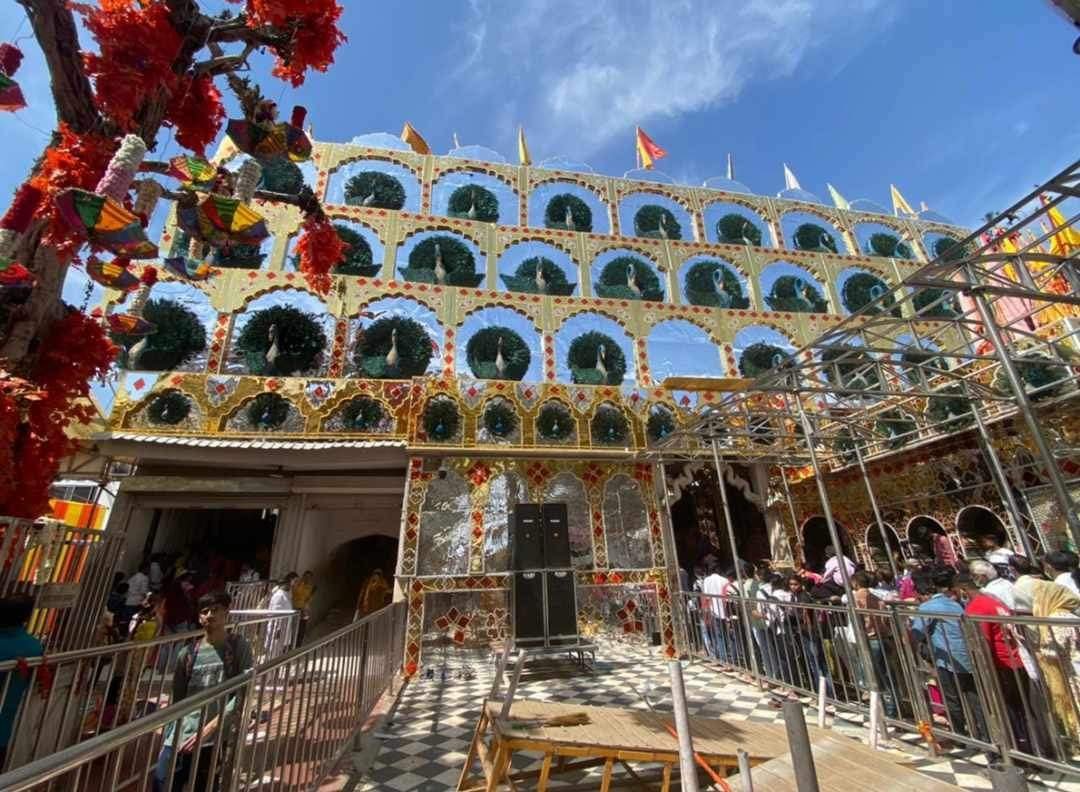
Devotees visiting Khatu Shyam Mandir will find simple and comfortable accommodation options near the temple. The focus here is not luxury, but cleanliness, convenience, and closeness to darshan. Many pilgrims prefer staying within walking distance, allowing them to visit the temple early in the morning or late at night with ease.
Dharamshalas are the most commonly chosen option. They are budget-friendly, usually charging between ₹500 and ₹1,500 per day. These stays offer basic facilities and a peaceful environment suited for prayer and rest. Budget lodges and small hotels are also available in Khatu town, with room charges generally ranging from ₹800 to ₹2,500 per night. These are suitable for families or devotees seeking a bit more privacy and comfort. The costs rise up steeply during the Khatu Mela timings as there are large number of devotees.
Darshan at the temple is free for all devotees. Food is easily available near the mandir, with local eateries serving simple Rajasthani meals like dal baati churma at affordable prices. During Khatu Shyam Mela, large number of Bhandaras (community kitchens) are set by devotees offering free food to all the visitors. These bhandaras at Mela offer almost every type of food items and sweets to the Shyam Baba’s devotees.
Overall, staying near Khatu Dham is easy to manage. With basic planning, devotees can reach Khatu Shyam and stay close to the temple without heavy expenses, focusing fully on devotion and prayer.
When Is the Best Time to Plan Your Visit?
The best time to visit Khatu Shyam Mandir depends on the kind of spiritual experience a devotee seeks. Many believe that Shyam Baba welcomes every devotee equally, regardless of season or crowd. What matters most is inner readiness and faith while planning to reach Khatu Shyam.
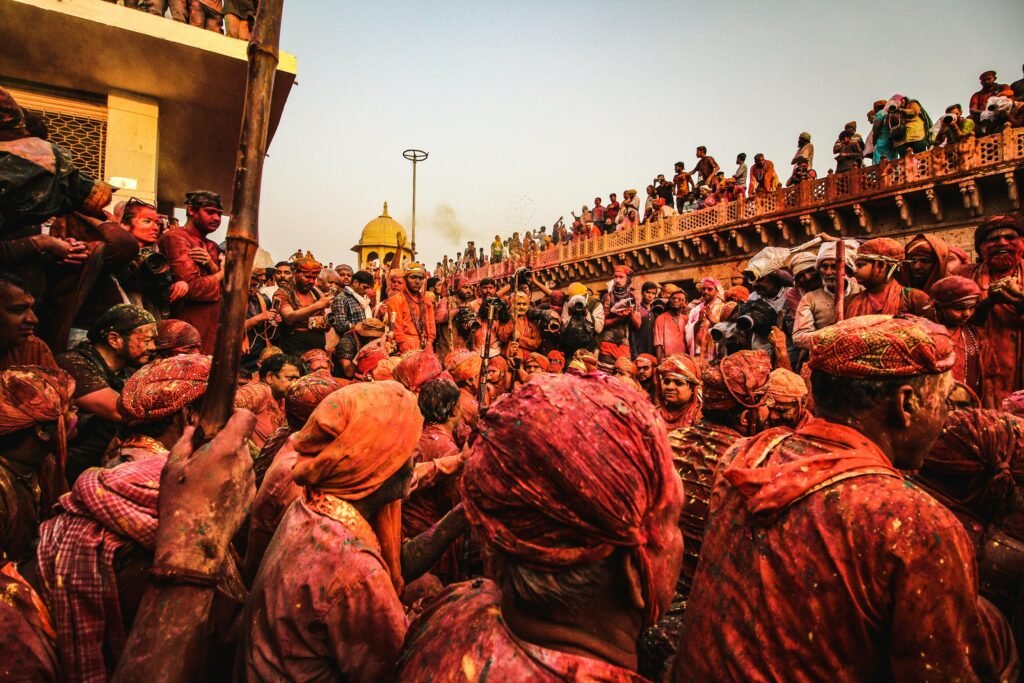
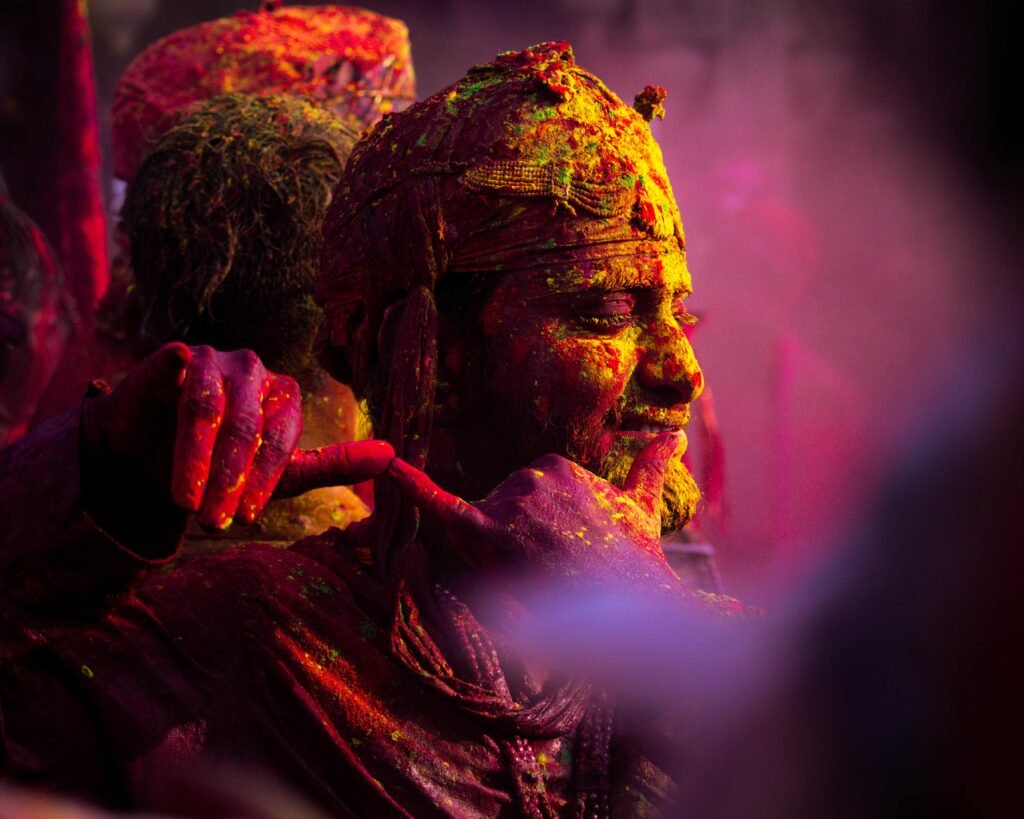
The Falgun period holds special importance in Shyam Bhakti. During this time, devotion in Khatu Dham naturally intensifies, and the temple atmosphere feels deeply charged with faith. Devotees visiting during Falgun Mela often experience collective devotion through continuous prayers, bhajans, and darshan. Janmotsav days are also considered highly auspicious, drawing devotees who wish to be part of sacred celebrations and shared devotion. The devotees keep on chanting various eulogies in reverence to Khatu Shyam baba such as Haare Ka Sahara, Baba Shyam Hamaara, Sheesh Ke Dani, and Teen baan ke Dhari among others.
For those seeking a calmer and more personal connection, visiting on regular days outside major occasions can be equally fulfilling. Early mornings or weekdays often offer a quieter environment, allowing unhurried darshan and peaceful prayer. Such visits help devotees sit in silence, reflect, and spend more time near the sanctum.
Every time holds its own blessing. Whether one chooses festive days filled with energy or peaceful moments of solitude, the visit becomes meaningful when guided by devotion rather than planning alone.
Where to Check Travel & Darshan Updates

Before planning a visit to Khatu Dham, devotees often look for reliable and clear information. Staying informed helps ensure a smooth journey and allows one to focus on devotion while preparing to reach Khatu Shyam. For this purpose, a few trusted digital sources are commonly referred to by pilgrims.
The Divya Kripa App is used by many devotees to stay updated on temple-related information. It regularly shares travel advisories, general darshan updates, and important notices connected with major religious occasions. Devotees find it helpful for understanding changes in darshan timings or movement arrangements, especially during spiritually significant periods.
Another useful source is Khatumela.com, which provides information related to Khatu Shyam events and temple activities. Pilgrims often check this platform for updates about festival announcements, local arrangements, and guidance related to large gatherings. Such information helps devotees plan their visit with clarity and patience.
Using these sources allows devotees to prepare practically while keeping the spiritual focus intact. Knowing travel conditions or darshan availability in advance reduces uncertainty and stress. This supports a calm and respectful journey, where attention remains on prayer and surrender rather than logistics.
While external updates are helpful, devotees often believe that inner readiness matters most. Checking reliable information simply supports the journey, allowing faith and devotion to guide the rest of the experience.
Concluding Note: The Journey Is Also Baba’s Prasad
For devotees, the journey to Khatu Shyam Mandir is never limited to reaching a destination. Every step taken, every wait endured, and every effort made is believed to be part of Shyam Baba’s divine plan.
Delays on the road, long walks, crowded paths, or moments of uncertainty are often accepted with faith. These experiences teach patience, humility, and surrender. Devotees believe that such moments are not obstacles, but blessings meant to strengthen devotion. The journey becomes a test of trust, reminding one to stay calm and focused on prayer.
Reaching the temple brings peace, but the spiritual connection often begins much earlier. The road itself becomes a space for reflection, remembrance, and silent gratitude. In this way, the entire journey is seen as Baba’s prasad—received with devotion and accepted with faith. When traveled with a pure heart, every path leads closer to Shyam Baba’s grace.